Cognitive therapy · Drøbak, Ås and Son
Be in charge of your own life.
We use cognitive therapy to treat the cause of illness and difficult life situations — not just the symptoms. It supports lasting improvement and helps prevent relapse.
- 2002
- method developed since
- 7
- therapists
- 17
- areas we treat
Treating the cause
We go to the root — not just the leaves.
Dialoggruppen maps, identifies and treats the reason the situation or illness arose in the first place. Symptoms improve as a consequence of treating the cause.
You learn in detail what drives thought and behaviour — and get simple, practical and concrete tools, so you can make the changes you need at your own pace and scope.
How we work
Six pieces that fall into place.
Much of cognitive therapy is teaching and explanation, aimed at lasting learning and long-term use. The method suits you alone, you as a couple — or families and children.
- 1
Awareness and insight into your own behaviour and thoughts
- 2
Awareness of your own feelings and needs
- 3
Tools to influence and change unconscious choices — and make more helpful ones
- 4
Communication training to build good dialogue with the world around you
- 5
Simple practical tools for lasting change
- 6
Inner direction and trust in your own identity and intuition
A safe space
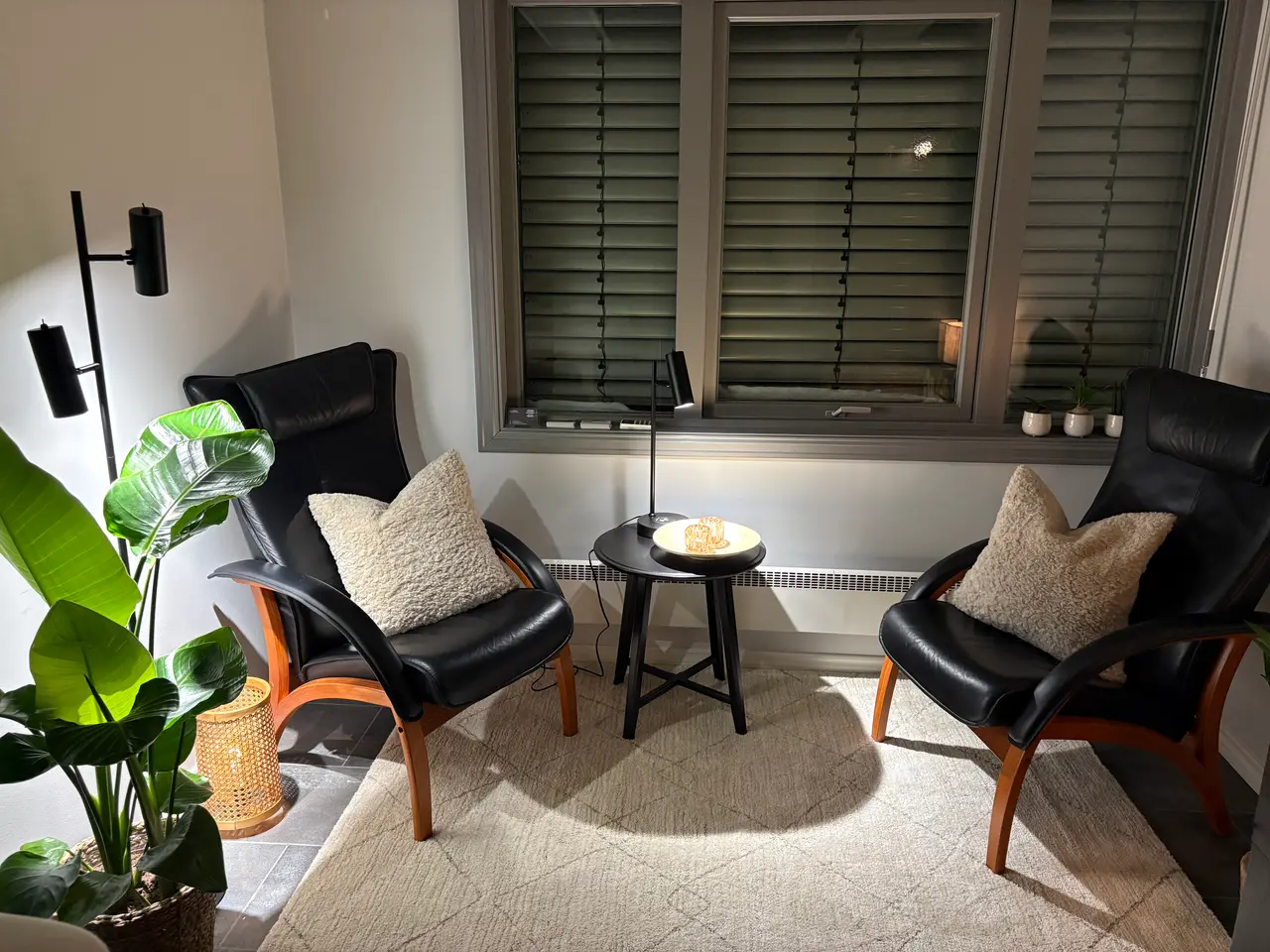
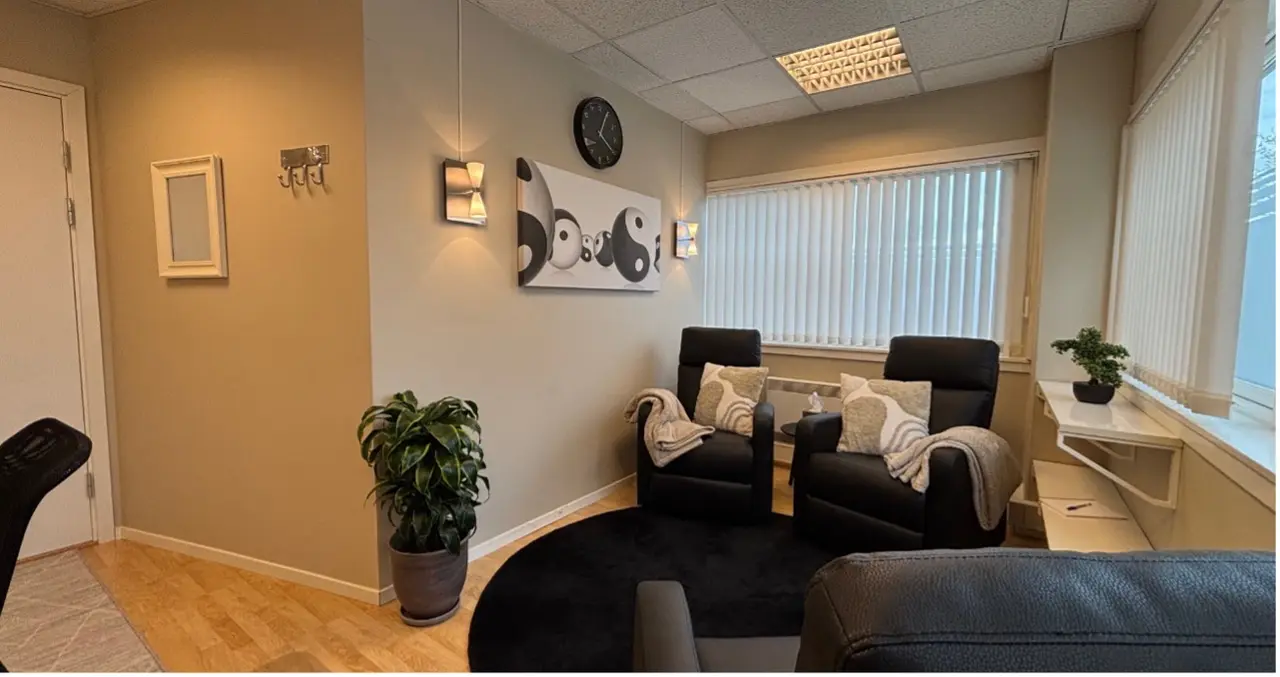
Here you are met with warmth and calm.
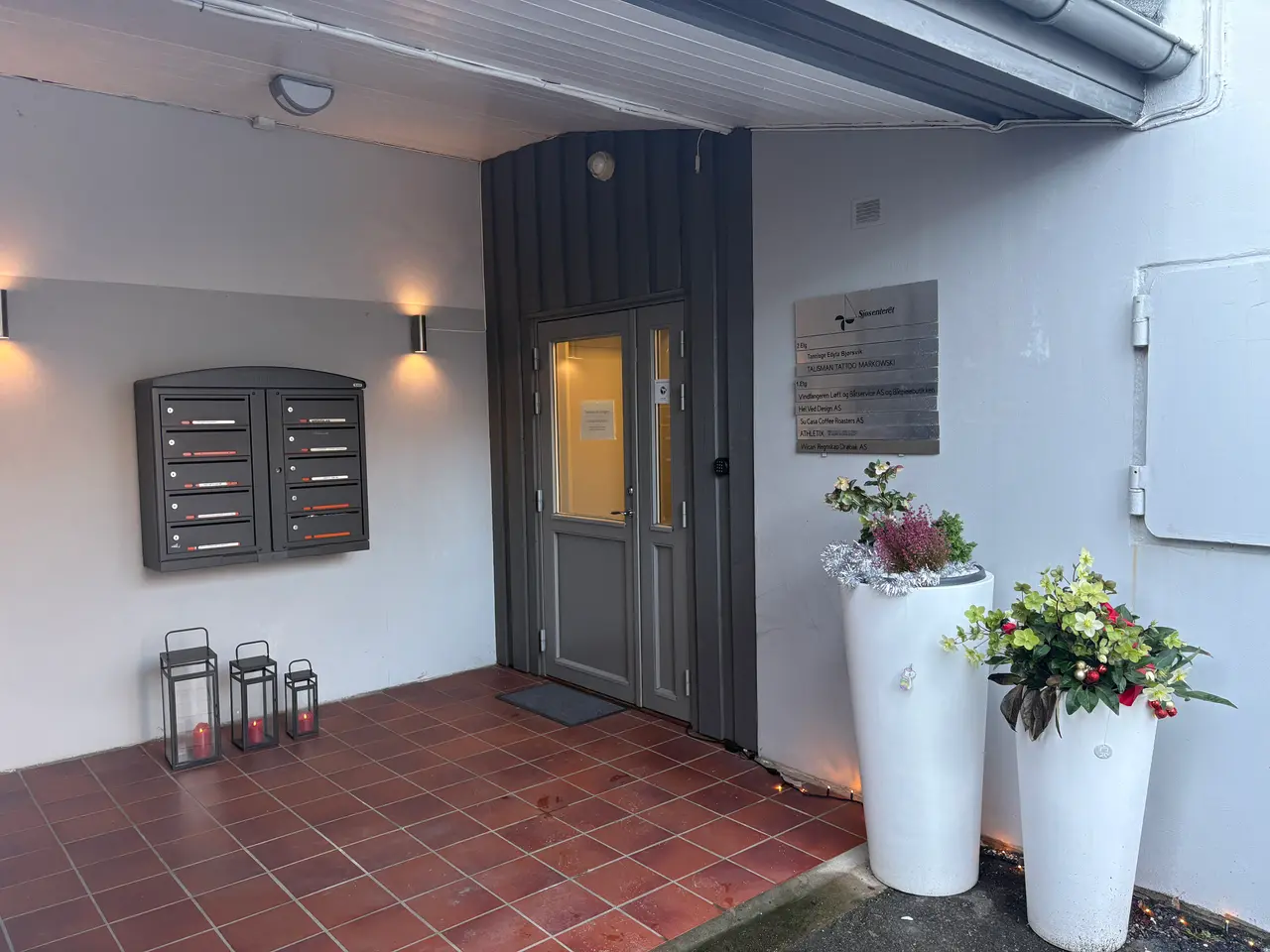
Sessions take place face to face with your therapist in Drøbak, Ås or Son. We also offer third-party treatment — for example, helping children through their parents.
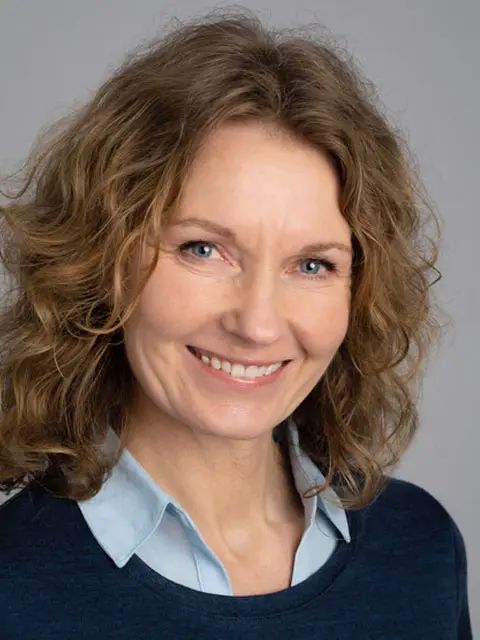
Our therapists
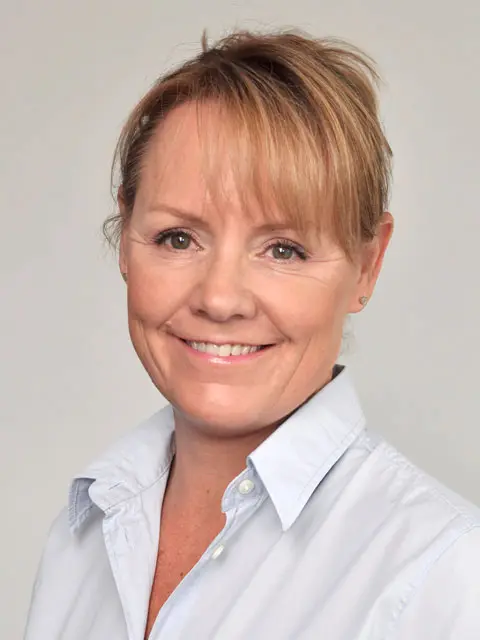
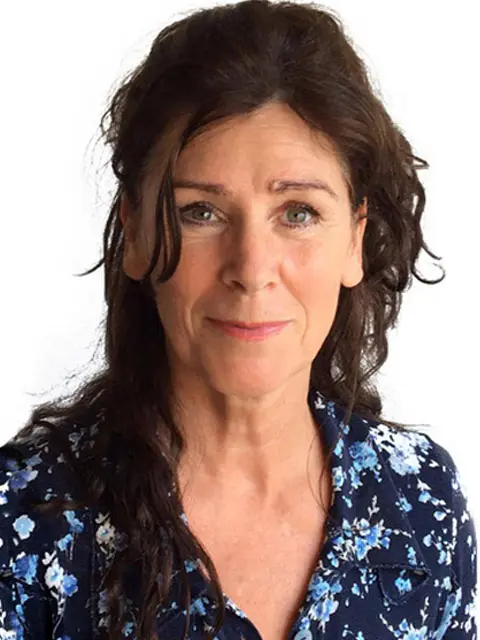
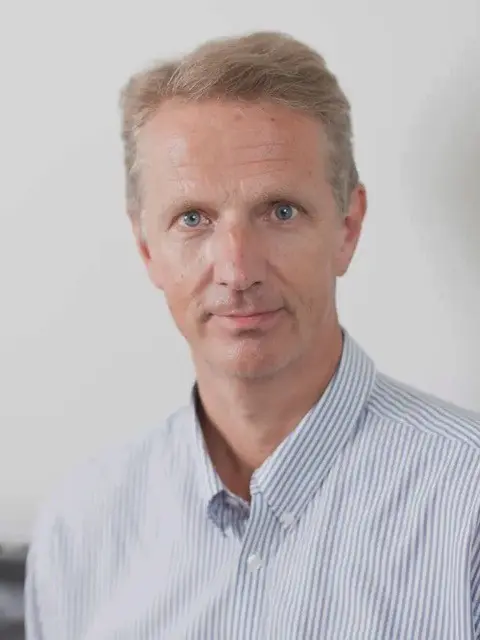
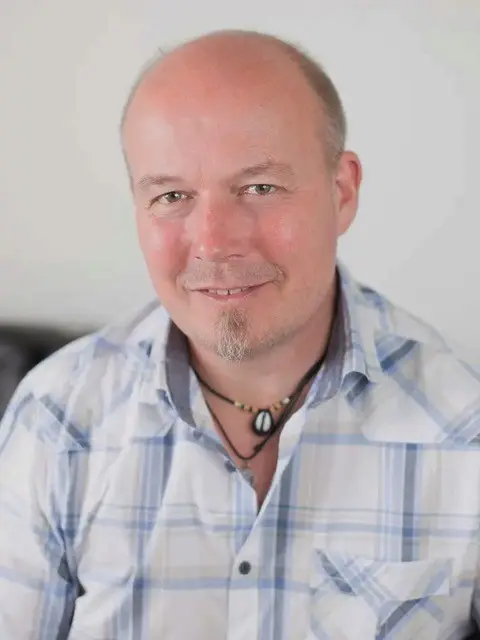
Seven people. One method. Many have walked the path themselves.


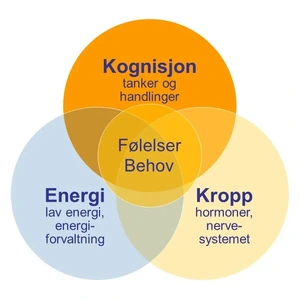
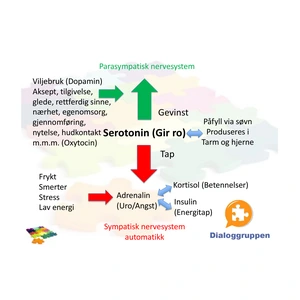
The charts we use
The tools from the therapy room — open to everyone.
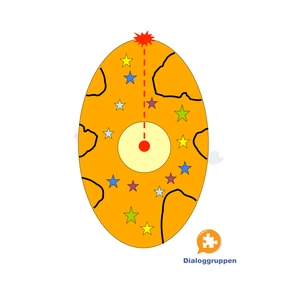
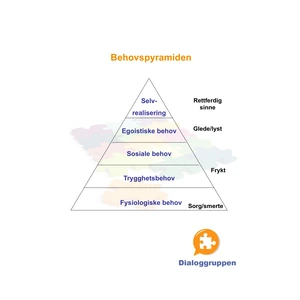
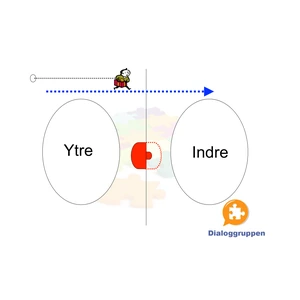
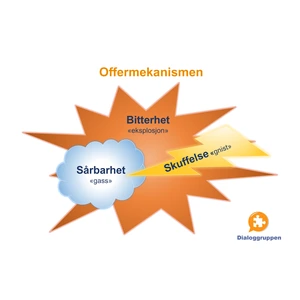
These charts are used in therapy sessions (in Norwegian). Download them as PDFs to see how the method is built.

80 hours
Foundation module over 2 terms · NOK 23,500
Training in the Dialoggruppen method
Learn the method — for your practice or for yourself.
Modular training for therapists, psychologists, health workers and others who want a concrete, practical method. Open to all. Course leader: Jørn Olav Strekerud.
About the trainingLatest articles
Reflections from the therapy room.
Our articles are written in Norwegian.
The first step
Does this sound familiar? Let's talk.
Several of our therapists offer a free, no-obligation first conversation. Feel free to send a text message — that way you are sure to get a reply.
